The Thrill of Risk and Reward
The allure of high-stakes casino games can be attributed to the psychological thrill that accompanies risk-taking behavior. Players are often drawn to the excitement of large jackpots and the potential for significant monetary gain, which can trigger strong feelings of exhilaration. This rush is rooted in the brain’s reward system, where the anticipation of winning activates areas associated with pleasure and satisfaction. The possibility of a life-altering win creates a unique blend of hope and anxiety that many find irresistible, especially when they also consider factors like an online casino nz.
Moreover, the high-stakes environment exacerbates these feelings. The sounds of the casino, the vibrant lights, and the energy of fellow players amplify the emotional experience. This sensory overload not only enhances the excitement but also increases the likelihood of impulsive decisions, making it easier for individuals to gamble more than they intended. Understanding this psychological draw can help demystify the behaviors of those who are willing to risk significant amounts for a fleeting moment of exhilaration.
The Role of Cognitive Biases
Cognitive biases play a crucial role in how players perceive their chances of winning in high-stakes casino games. For instance, the illusion of control bias leads players to believe they can influence the outcome of games that are fundamentally based on chance, such as slots and roulette. This belief often encourages further participation, as players may continue to gamble, convinced that they can affect the results through their actions.
Another common bias is the gambler’s fallacy, where players think that past outcomes will influence future results. For example, someone might believe that a series of losses is indicative of a forthcoming win, prompting them to increase their stakes. These cognitive distortions not only amplify the intensity of the gambling experience but also contribute to the cycle of addiction that many high-stakes players experience.
The Social Dynamics of Gambling
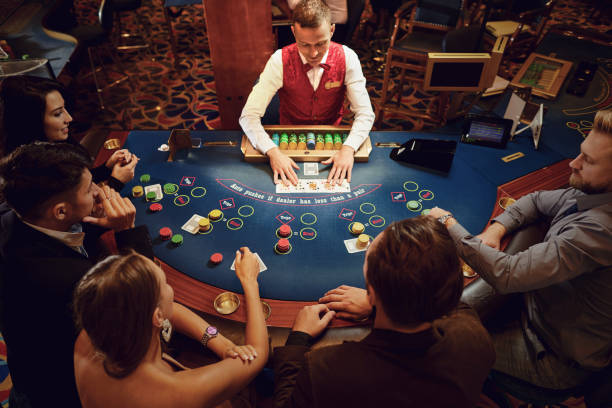
The social aspect of high-stakes gambling can significantly influence player behavior. Casinos are designed to create a communal atmosphere where players can share the ups and downs of their gambling experience. This social interaction can enhance the emotional highs of winning and provide a sense of camaraderie during losses, making the experience more engaging. Friends and fellow gamblers often provide support, encouraging continued play and amplifying the thrill associated with high stakes.
Furthermore, the presence of spectators can heighten the pressure to perform. Many players feel an adrenaline rush from being watched, which can lead to bolder bets and riskier decisions. This social validation can be addictive, as the approval of peers can reinforce gambling behaviors. Consequently, the collective experience of high-stakes gambling can create an environment where rational decision-making is frequently overshadowed by emotional impulses.
The Influence of Marketing and Casino Design
Casinos employ various psychological techniques in their marketing strategies and interior designs to attract high-stakes players. The use of rewards programs, complimentary services, and exclusive events tailored for high rollers creates an environment that encourages further gambling. These marketing tactics often capitalize on the emotional high associated with gambling, making players feel valued and more willing to gamble significant amounts.
In addition, the physical layout of casinos is meticulously designed to prolong the gaming experience. The absence of windows, the strategic placement of games, and the enticing visual aesthetics all serve to immerse players in a stimulating environment that makes it easy to lose track of time. This manipulation of the physical space encourages players to stay longer, gamble more, and further engage in the psychological highs associated with high-stakes gaming.
Understanding the Casino Experience
To fully grasp the psychological underpinnings of high-stakes casino games, one must consider the multifaceted nature of the gambling experience. It’s a blend of emotional, cognitive, and social factors that not only attract players but also keep them coming back. By exploring these elements, we gain insight into why individuals are willing to risk substantial amounts for the thrill of the game.
As we delve into the complexities of gambling psychology, it’s essential to remain informed about the potential risks associated with high-stakes gaming. For further insights into marine biodiversity and conservation efforts, visitors are encouraged to explore specialized platforms that provide comprehensive resources and foster a deeper understanding of ecological engagement. This connection to broader themes of awareness and education enhances our appreciation for the intricate dynamics of both gaming and environmental stewardship.