
Here is an in-depth article on cryptocurrencies, fiat currency, market makers, and trading signals:
“Trading in the Digital Age: Understanding Cryptocurrencies, Fiat Currencies, Market Makers, and Trading Signals”
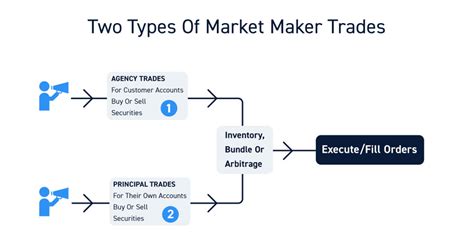
Trading in cryptocurrencies is becoming increasingly popular in today’s digital age as investors seek to diversify their portfolios and participate in a growing market. However, this rapidly evolving space also presents significant challenges for traders, including the need to understand complex financial instruments, keep up with market trends, and develop effective trading strategies.
Cryptocurrencies: The Rise of Digital Currencies
Cryptocurrencies, such as Bitcoin (BTC) and Ethereum (ETH), are digital currencies that use cryptography for secure and decentralized transactions. Unlike traditional fiat currencies, cryptocurrencies operate independently of central banks and governments, allowing for peer-to-peer transactions without intermediaries. Cryptocurrency trading is facilitated by online exchanges and platforms that allow traders to buy, sell, and trade cryptocurrencies.
Fiat Currency: The Traditional Way
Fiat currencies, on the other hand, are issued by governments and are not backed by any physical commodity or asset. They are widely used as a standard unit of exchange for international trade and commerce. Fiat currency trading involves buying and selling fiat currencies at fixed exchange rates that can be influenced by economic indicators such as GDP growth, inflation rates, and interest rates.
Market Makers: The Role in Cryptocurrency Trading
In cryptocurrency markets, market makers play a crucial role in facilitating trade between buyers and sellers. Market makers are traders who buy and sell cryptocurrencies on behalf of clients, providing liquidity to the market and helping to maintain order. They also determine the prices of the cryptocurrencies being traded, which can affect the overall market price.
Trading Signals: A Key Ingredient to Successful Trading
A trading signal is a technical indicator that indicates when to buy or sell the price of a cryptocurrency. Trading signals are based on statistical analysis of historical data and can include indicators such as moving averages, RSI (Relative Strength Index), and Bollinger Bands. By analyzing these signals in conjunction with market trends and other fundamental factors, traders can make informed decisions about when to buy or sell cryptocurrencies.
How Market Makers Use Trading Signals
Market makers use trading signals to identify potential buying and selling opportunities in the cryptocurrency markets. They can use a variety of strategies, such as:
- Buy Signals: When a signal indicates that the price of a cryptocurrency may rise, market makers will buy the asset.
- Sell Signals: Conversely, when a signal indicates that the price of a cryptocurrency is likely to fall, market makers will sell the asset.
- Swing Trading: Market makers can use trading signals to execute short-term trades, such as buying and selling cryptocurrencies over a period of time.
Advantages of Trading Signals in Cryptocurrency Markets
Trading signals can provide traders with several benefits, including:
- Improved Risk Management: By identifying potential trading opportunities through technical analysis and chart patterns, traders can reduce their market volatility.
- Increased Efficiency
: Trading signals can help traders execute trades faster and more efficiently than relying on emotions or intuition.
- Increased Accuracy: Statistical models based on trading signals can provide greater accuracy in predicting price movements.
Conclusion
Cryptocurrency trading has become increasingly popular as investors seek to diversify their portfolios and participate in a growing market.
ETHEREUM LOOKING COMPREHENSIVE SOLIDITY